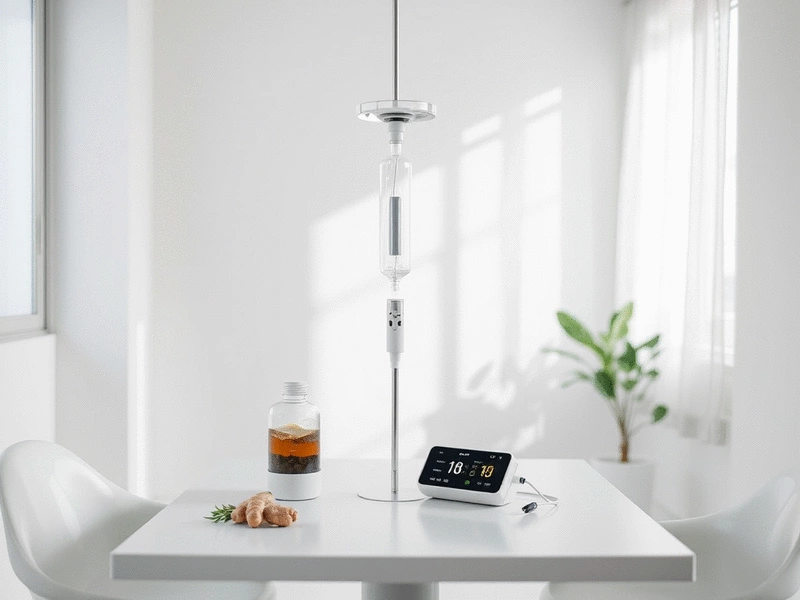
What if there were effective ways to manage migraines without relying solely on medication? Exploring non-medication treatments could not only empower you but also enhance your overall well-being. Let's uncover some key insights into how you can take control of your migraine management!
What You Will Learn
Non-pharmacological treatments include behavioral therapy, physical therapy, diet adjustments, and mindfulness practices.
Alternatives to medication can help reduce dependency, minimize side effects, and enhance overall understanding of migraine triggers.
Neuromodulation devices like Transcranial Magnetic Stimulation (TMS) and Vagal Nerve Stimulation (VNS) offer innovative options for migraine relief.
Incorporating lifestyle changes, such as regular exercise and nutrition management, can significantly reduce the frequency and severity of migraines.
There are three primary categories of non-medication migraine treatments: Neuromodulation Devices, Nutraceuticals, and Lifestyle Changes. These methods offer diverse approaches to managing migraines without relying on traditional pharmaceuticals.
Neuromodulation Devices: Targeting Nerve Activity
Overview
Modify nerve activity through non-invasive stimulation. Offer alternatives when medications are ineffective or undesirable.
Examples
Transcranial Magnetic Stimulation (TMS)
Vagal Nerve Stimulation (VNS)
Cefaly devices
Nutraceuticals: Supplements for Prevention
Role
Vitamins and herbal supplements that support migraine prevention and overall wellness.
Key Examples
Riboflavin (Vitamin B2)
Butterbur
Lifestyle Changes: Holistic Self-Management
Strategies
Integrating practices to reduce migraine frequency and severity.
Practices
Mindfulness & Relaxation
Yoga & Physical Activity
Diet & Nutrition adjustments
Consulting with Health Professionals: Your Personalized Plan
1. Schedule Appointment
Find a provider open to non-medication options.
2. Share Symptoms
Detail frequency, triggers, and daily impact.
3. Explore Options
Discuss devices, nutraceuticals, and lifestyle changes.
Understanding Non-Medication Treatments for Migraines
As a neurologist specializing in headache disorders, I often see patients seeking alternatives to medication for migraine relief. Understanding non-pharmacological approaches is crucial for those looking to manage their migraines effectively. These methods can offer additional options that align with a holistic approach to health and well-being.
Non-medication treatments encompass a variety of strategies that focus on lifestyle changes, behavioral techniques, and innovative devices designed to alleviate migraine symptoms. By exploring these avenues, we can empower ourselves with tools that promote a better quality of life. Let’s dive deeper!
Defining Non-Pharmacological Approaches to Migraine Relief
Non-pharmacological approaches include methods such as behavioral therapy, physical therapy, and lifestyle adjustments. These strategies aim to reduce the frequency and intensity of migraines without relying solely on medications. By understanding the underlying factors contributing to migraines, we can tailor our approaches to individual needs.
Behavioral therapy: Techniques to manage stress and anxiety.
Physical therapy: Exercises to improve posture and reduce tension.
Diet and nutrition: Identifying food triggers and making dietary changes.
Mindfulness and relaxation: Practices to enhance mental well-being.
These approaches can be integral to a comprehensive migraine management plan. For many, integrating these strategies can lead to a significant improvement in their daily lives. For additional insights into physical therapy, you can refer to this resource on physical therapy for migraine relief.
Why Explore Alternatives to Medication?
Many people find that medication may not always be the best solution for their migraine management. There are various reasons to explore alternatives to medication: you might experience side effects, find medications ineffective, or simply wish to minimize your reliance on drugs. Exploring these alternatives encourages a more personalized approach to health.
Reducing medication dependency: Finding balance without over-reliance.
Minimizing side effects: Avoiding the impact of pharmaceutical treatments.
Gaining a better understanding: Learning about your body's responses.
Enhancing overall well-being: Incorporating holistic practices into routine.
By considering these alternatives, you can take proactive steps towards managing your migraines, ultimately leading to a healthier and more fulfilling life.
Neuromodulation Devices: How They Can Help with Migraine Relief
In recent years, neuromodulation devices have emerged as an exciting option for migraine relief. These innovative tools work by modifying nerve activity, providing a non-invasive alternative to traditional treatments. Many of my patients have found success with these devices, which can serve as a game changer in managing migraines.
Understanding how these technologies function can help you make informed decisions about your treatment options. Let’s explore the various neuromodulation technologies available and their potential benefits. To learn more about neuromodulation devices, this article on neuromodulation for headache disorders offers an in-depth review.
Overview of Neuromodulation Technologies
Neuromodulation technologies include devices designed to stimulate nerves through non-invasive methods. These devices can provide relief for those who do not respond well to conventional medications. Some popular options include:
Transcranial Magnetic Stimulation (TMS)
Vagal Nerve Stimulation (VNS)
Devices like Cefaly that target specific areas for relief
These devices offer a promising avenue for migraine sufferers. They’re designed to be user-friendly, allowing for easy integration into your daily routine.
Interactive Poll: Your Thoughts Matter!
As we discuss non-medication treatments for migraines, we'd love to hear your thoughts! Which of these approaches have you tried or are most interested in exploring?
Frequently Asked Questions (FAQs)
What are the main categories of non-medication migraine treatments?
The three primary categories are Neuromodulation Devices, Nutraceuticals, and Lifestyle Changes.
Why should I consider non-medication alternatives for migraine management?
Exploring alternatives can help reduce medication dependency, minimize side effects, provide a better understanding of your body's responses, and enhance overall well-being.
What are some examples of neuromodulation devices for migraine relief?
Examples include Transcranial Magnetic Stimulation (TMS), Vagal Nerve Stimulation (VNS), and Cefaly devices.
What are nutraceuticals, and how do they help with migraines?
Nutraceuticals are vitamins and herbal supplements like Riboflavin (Vitamin B2) and Butterbur that can support migraine prevention and overall wellness.
What lifestyle changes can help manage migraines?
Incorporating practices such as mindfulness and relaxation, yoga and physical activity, and diet and nutrition adjustments can help reduce migraine frequency and severity.
Is it necessary to consult a healthcare professional before trying non-medication treatments?
Yes, it's highly recommended to consult with healthcare professionals to create a personalized treatment plan that aligns with your unique needs and preferences.
Summary of Non-Medication Treatment Options for Migraines
As we've explored throughout this article, there are various non-medication treatments available for managing migraines. These options include innovative neuromodulation devices, effective nutraceuticals, and lifestyle changes that can profoundly impact your health. Each approach allows you to take control of your migraine journey while minimizing reliance on traditional medication.
Understanding the potential of these treatments is crucial. Here are some key takeaways:
Neuromodulation Devices: Techniques like sTMS and non-invasive vagus nerve stimulation offer exciting options for migraine relief through electrical impulses.
Nutraceuticals: Vitamins and herbal supplements, such as riboflavin and butterbur, can support migraine prevention and promote overall wellness.
Lifestyle Changes: Incorporating mindfulness, yoga, and physical activity into your daily routine may reduce migraine frequency and severity.
These options are not just alternatives; they represent a holistic approach to migraine management that empowers you to choose what feels right for your body. Remember, every migraine journey is unique, and what works for one person may not work for another.
Taking Action: Steps to Consider for Your Migraine Management
Consulting with Health Professionals: Creating Your Personalized Plan
Taking the first step towards managing your migraines can feel overwhelming, but you don’t have to navigate this journey alone. Consulting with healthcare professionals can significantly help you create a personalized treatment plan. Here are some steps to follow:
Schedule an Appointment: Find a healthcare provider who understands migraines and is open to discussing non-medication options.
Share Your Symptoms: Be honest about your migraine frequency, triggers, and how they affect your daily life.
Explore Options Together: Discuss neuromodulation devices, nutraceuticals, and lifestyle changes that may suit your needs.
By partnering with a knowledgeable provider, you’ll be able to tailor a plan that aligns with your unique experiences and preferences, bringing you one step closer to relief.
Join the Conversation: Share Your Experiences and Learn More
Your experiences matter! At Migraines Unraveled, we believe in the power of community and shared knowledge. By sharing your journey, you not only contribute to your growth but also help others who may be struggling with similar challenges.
Consider engaging with our community through comments, social media, or discussion forums where you can:
Share Your Story: How have non-medication treatments impacted your migraine management?
Ask Questions: What uncertainties do you have about these treatment options?
Offer Support: Share tips and tricks that have helped you along the way.
Connecting with others fosters a sense of belonging and can be incredibly motivating. Let’s empower each other on this journey toward better health!
Recap of Key Points
Here is a quick recap of the important points discussed in the article:
Non-Pharmacological Approaches: Consider behavioral therapy, physical therapy, and lifestyle adjustments to reduce migraine frequency and intensity.
Explore Alternatives: Reducing medication dependency and minimizing side effects are key reasons to seek non-medication treatments.
Neuromodulation Devices: Devices like Transcranial Magnetic Stimulation (TMS) and Vagal Nerve Stimulation (VNS) offer promising non-invasive options.
Nutraceuticals: Integrate vitamins and herbal supplements into your routine for potential migraine prevention.
Lifestyle Changes: Incorporate mindfulness practices, yoga, and physical activity to improve overall well-being.
Consult Professionals: Work with healthcare providers to create a personalized migraine management plan that suits your needs.
Dr. Lydia Mansfield
Dr. Lydia Mansfield is a dedicated neurologist specializing in headache disorders, passionate about educating migraine sufferers. With expertise in clinical practice and research, she empowers individuals to understand and manage their migraines. Through accessible, science-backed insights, she aims to enhance readers' quality of life.
Migraines Unraveled is dedicated to empowering individuals with migraine conditions through science-backed insights and effective management strategies. Our mission is to demystify migraines and equip you with actionable knowledge for improved well-being.
Start your journey to understanding by identifying your unique migraine triggers. Keeping a detailed journal is the first step to pinpointing what sets off your episodes!
Don’t underestimate the power of consistent sleep. Erratic sleep patterns can be a major migraine trigger. Aim for a regular sleep schedule!
Stay hydrated throughout the day. Dehydration is a common, yet often overlooked, migraine trigger. Make water your best friend!
Explore relaxation techniques like deep breathing or meditation. Stress is a significant factor in migraine frequency and intensity.
Consult with a healthcare professional to discuss personalized treatment plans. There are many options beyond over-the-counter pain relievers!
Understand your medications. Knowing how and when to take your acute and preventive treatments can make a huge difference.
Pay attention to dietary factors. Certain foods and drinks can trigger migraines in some individuals. Track your intake to identify patterns.
Create a calm environment during a migraine attack. Dim lights, quiet spaces, and cool temperatures can help alleviate symptoms.
Exercise regularly, but gently. Consistent physical activity can reduce migraine frequency, but avoid intense exercise during an attack.
Educate yourself about migraine types and symptoms. Knowledge is empowerment when it comes to managing your condition.
Consider complementary therapies. Acupuncture, biofeedback, and massage therapy have shown promise for some migraine sufferers.
Maintain a consistent routine. Sudden changes in schedule, meals, or sleep can disrupt your body's rhythm and trigger migraines.
Join a support group or online community. Sharing experiences and strategies with others can provide comfort and valuable insights.
Track your migraine days and severity. This data is invaluable for both you and your doctor in evaluating treatment effectiveness.
Empower yourself with knowledge from Migraines Unraveled. Understanding your condition is the first step towards taking control and improving your quality of life!