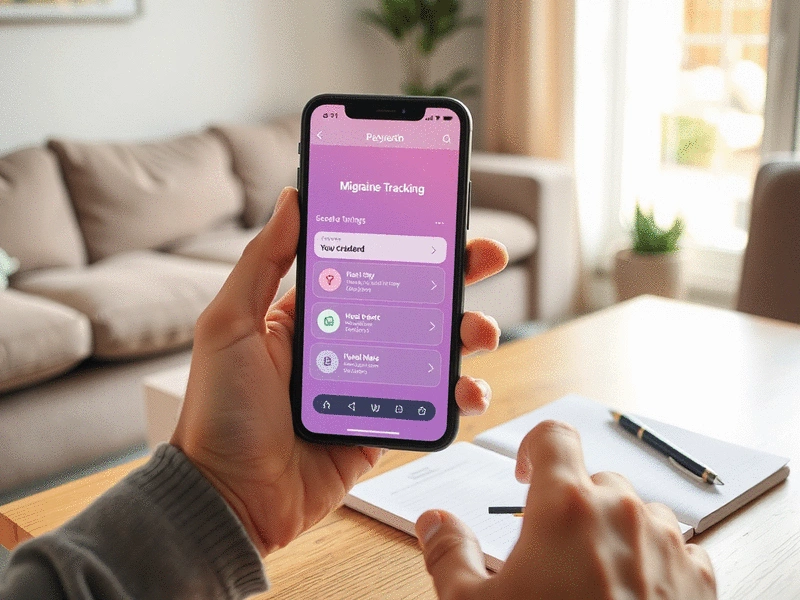
Have you ever thought about how tracking your migraine patterns could significantly enhance your quality of life? Understanding these patterns isn't just helpful; it's essential for effective management. By observing when and why migraines occur, you empower yourself to navigate this challenging condition with greater confidence.
What You Will Learn
Recognize and identify potential migraine triggers more effectively.
Enhance communication with healthcare providers through detailed symptom tracking.
Utilize mobile apps to conveniently log symptoms, triggers, and medications.
Develop personalized strategies for migraine prevention based on tracked data.
Incorporate a symptom diary to reflect on experiences and deepen understanding of your condition.
Establish a consistent tracking routine to identify patterns and inform treatment decisions.
Engage with community support for shared experiences and recommendations.
Key Strategies for Migraine Self-Management
Understanding and managing migraines effectively involves a multi-faceted approach. Below are the core strategies that empower individuals to take control of their migraine journey.
1. Establish a Consistent Tracking Routine
Regularly logging symptoms, triggers, and medications helps uncover patterns.
2. Utilize Insights to Modify Lifestyle & Treatment Plans
Data-driven adjustments to diet, stress management, and environment.
3. Incorporate Medication Tracking for Better Adherence
Consistent medication logs ensure effectiveness and inform healthcare providers.
4. Address Data Privacy and Security Concerns
Choose reputable apps with strong data encryption and user control over information.
5. Choose the Right Tools for Your Specific Needs
Research and try various apps to find those that best fit your lifestyle and preferences.
6. Find Community Support & Resources
Engage with online forums or local groups for shared experiences and valuable insights.
Understanding the Importance of Tracking Migraine Patterns
Have you ever wondered how understanding your migraine patterns could change your life? Tracking these patterns is not just a good idea; it's a crucial step in managing your condition effectively. By keeping a close eye on when and why migraines occur, you empower yourself to make informed choices and take proactive steps toward relief. This deeper understanding can lead to a significant improvement in your quality of life!
Identify potential triggers more effectively.
Enhance communication with healthcare providers.
Develop personalized strategies for prevention.
When you start to recognize the patterns in your migraines, you’re not just collecting data—you’re building a toolkit of personal insights that can guide your treatment. I’ve seen many patients flourish once they begin to track their symptoms diligently. Let’s dive into how mobile apps can play a pivotal role in this journey.
How Mobile Apps Enhance Self-Management of Migraines
In today’s digital world, mobile apps have become significant allies in managing migraines. These tools provide a user-friendly interface that allows you to log symptoms, triggers, and medications quickly. Imagine having a personal assistant in your pocket, reminding you to note down those pesky details every time a migraine strikes!
Convenient symptom tracking on-the-go.
Real-time notifications for medication reminders.
Visual insights to help you spot trends.
By using these apps, you can take control of your migraine journey. They offer features that not only help with tracking but also provide analytics that can reveal underlying patterns. It’s like having a health coach that works tirelessly for you!
The Role of Digital Tools in Identifying Triggers
With the help of digital tools, recognizing migraine triggers has never been easier. Many apps come equipped with customizable fields that allow you to input your daily activities, food intake, and emotional state. This comprehensive approach can help identify correlations that might otherwise go unnoticed.
Track environmental factors, such as weather changes.
Log dietary habits and possible food sensitivities.
Record emotional stressors and their effects on migraines.
By analyzing this data over time, you can pinpoint specific triggers that affect you personally. Each user is unique, and these insights can be truly enlightening! Understanding what sets off your migraines can guide you in making lifestyle adjustments that could lead to fewer episodes. For instance, a study on a digital health intervention for chronic migraine management highlights the effectiveness of such tools in trigger identification.
Benefits of Using a Symptom Diary for Migraine Management
A symptom diary is a powerful tool that complements the use of mobile apps. Writing down your experiences allows for reflection and a deeper understanding of your condition. You might be surprised at how much you learn about yourself through this practice!
Encourages mindfulness about your health.
Provides concrete data to discuss with healthcare providers.
Helps solidify your commitment to managing migraines.
As someone who has spent years advising patients, I can attest to the positive effects of maintaining a symptom diary. It transforms the often overwhelming experience of migraines into manageable data that you can take to your doctor, making consultations more productive. Empowering yourself with knowledge is key to navigating the complexities of migraines!
Pro Tip
Did you know? Keeping a detailed symptom diary can significantly enhance your understanding of migraine triggers. By noting not just the occurrence of migraines, but also factors like stress levels, diet, and sleep patterns, you can create a clearer picture of what might be causing your episodes. This proactive approach can empower you to make informed lifestyle changes that may reduce the frequency and intensity of your migraines.
Strategies for Effective Migraine Self-Management
Managing migraines can sometimes feel like an uphill battle, but with the right strategies in place, you can regain control of your health. At Migraines Unraveled, I often emphasize the significance of establishing routines and using tools to help track your symptoms and triggers. So, let’s dive into some actionable strategies that can make a real difference!
Create a daily tracking habit to identify patterns
Utilize insights to adjust lifestyle choices
Incorporate medication logs to enhance adherence
First, it’s vital to establish a consistent tracking routine. This means setting aside a few minutes each day to log your symptoms, triggers, and any medications taken. Over time, you’ll start to see patterns emerge that can inform your management strategies.
Establishing a Consistent Tracking Routine
Consistency is key! Think of your tracking routine as a personal health diary. I recommend choosing a specific time each day—perhaps in the morning or before bed—to jot down your experiences. This not only helps in identifying migraine patterns but also makes it easier to communicate with healthcare providers about your condition.
Set reminders on your phone to log symptoms
Use a dedicated app or journal for tracking
Review your entries weekly to identify trends
By regularly reviewing your entries, you’ll gain valuable insights that can guide your lifestyle modifications and treatment decisions.
Utilizing Insights to Modify Lifestyle and Treatment Plans
Once you start tracking your migraines consistently, it's time to put those insights to use! From the data collected, you may notice specific triggers—whether they’re related to stress, certain foods, or environmental factors. This knowledge empowers you to make informed changes to your daily routine.
Identify and minimize known triggers
Adjust meal plans based on dietary observations
Implement stress-reduction techniques such as meditation or yoga
By actively modifying your lifestyle based on your findings, you’ll be taking proactive steps towards better migraine management. Remember, it’s about trial and error, so don’t be afraid to experiment until you find what works best for you!
Incorporating Medication Tracking for Better Adherence
Medication adherence is crucial in managing migraines effectively. I often encourage my patients to include a medication tracking component in their logging routine. This can help in understanding how different medications impact your migraines over time.
Record medication names and dosages
Note any side effects or concerns
Track the frequency and timing of doses
By keeping a detailed log of your medication intake, you can ensure you’re following prescribed plans and provide your healthcare provider with essential information during consultations. For example, a recent study on digital tracking of migraine demonstrates its utility in improving medication adherence and outcomes.
Encouraging Ongoing Engagement and Usage
As you embark on your journey of self-management, it’s important to remain engaged with the tools and resources available to you. I recognize that privacy and security can be concerns when using digital tools, but let’s address these and explore next steps to keep you empowered and supported!
Addressing Common Concerns: Privacy and Security of Data
When using apps and digital tools for tracking, many people worry about the privacy of their health data. I assure you, reputable apps prioritize user security. It’s essential to review the privacy policies of any tool you consider, ensuring your data remains confidential. Look for features like:
Data encryption to protect your information
Options for data sharing with healthcare providers
User control over personal information
By understanding these aspects, you can feel more confident in using these tools to your advantage.
Next Steps: Choosing the Right Tools for Your Needs
With so many options available for migraine management, it’s crucial to choose tools that align with your lifestyle and preferences. Take time to explore different apps and resources. Consider what features matter most to you—whether it's analytics, user interface, or community support.
Research and read reviews on various migraine apps
Try out a few different tools to see which resonates
Engage with online communities for recommendations
Finding the right fit can enhance your self-management journey and make tracking feel less daunting!
Finding Community Support and Resources for Migraine Management
Lastly, never underestimate the power of community support! Engaging with others who understand your struggles can provide immense comfort and insight. There are numerous online forums, social media groups, and local support networks dedicated to migraine management.
Join migraine support groups on social media
Participate in local health workshops or seminars
Connect with others who share similar experiences
Being part of a supportive community not only offers valuable resources but also fosters a sense of belonging as you navigate your migraine journey. Remember, you’re not alone in this fight! For those interested in clinical advancements, ongoing research like the study on migraine prevention with a digital therapeutic highlights the continuous efforts to improve migraine care.
Recap of Key Points
Here is a quick recap of the important points discussed in the article:
Tracking migraine patterns is essential for identifying triggers and improving communication with healthcare providers.
Mobile apps enhance self-management by providing convenient symptom logging, medication reminders, and visual insights into trends.
A symptom diary complements digital tools, encouraging mindfulness and providing valuable data for discussions with healthcare professionals.
Establishing a consistent tracking routine is crucial for recognizing patterns and making informed lifestyle adjustments.
Incorporating medication tracking can improve adherence and help monitor medication effectiveness over time.
Engaging with community support and exploring the right tools can empower individuals in their migraine management journey.
Frequently Asked Questions About Migraine Tracking
Q: Why is tracking migraine patterns important?
A: Tracking migraine patterns is crucial for effective self-management. It helps you identify personal triggers, improves communication with healthcare providers, and enables the development of personalized prevention strategies, ultimately enhancing your quality of life.
Q: How can mobile apps help in managing migraines?
A: Mobile apps offer convenient features like on-the-go symptom logging, real-time medication reminders, and visual analytics to help you spot trends in your migraine patterns. They act as a personal health assistant, making it easier to track and understand your condition.
Q: What kind of information should I track in a migraine diary?
A: In a migraine diary or app, you should track symptoms, their intensity and duration, potential triggers (e.g., diet, stress, weather), medications taken (including dosage and timing), and any side effects. This comprehensive data helps in identifying correlations and informing treatment decisions.
Q: How can tracking help me communicate with my doctor?
A: A detailed tracking log provides concrete data and insights into your migraine patterns, frequency, and severity. This information helps your healthcare provider make more accurate diagnoses, adjust treatment plans effectively, and understand the impact of migraines on your daily life.
Q: Are there privacy concerns with using migraine tracking apps?
A: While privacy is a valid concern, reputable migraine tracking apps prioritize user security through data encryption and offer user control over personal information. It's important to review the privacy policies of any app you choose to ensure your health data remains confidential.
Dr. Lydia Mansfield
Dr. Lydia Mansfield is a dedicated neurologist specializing in headache disorders, passionate about educating migraine sufferers. With expertise in clinical practice and research, she empowers individuals to understand and manage their migraines. Through accessible, science-backed insights, she aims to enhance readers' quality of life.
Migraines Unraveled is dedicated to empowering individuals with migraine conditions through science-backed insights and effective management strategies. Our mission is to demystify migraines and equip you with actionable knowledge for improved well-being.
Start your journey to understanding by identifying your unique migraine triggers. Keeping a detailed journal is the first step to pinpointing what sets off your episodes!
Don’t underestimate the power of consistent sleep. Erratic sleep patterns can be a major migraine trigger. Aim for a regular sleep schedule!
Stay hydrated throughout the day. Dehydration is a common, yet often overlooked, migraine trigger. Make water your best friend!
Explore relaxation techniques like deep breathing or meditation. Stress is a significant factor in migraine frequency and intensity.
Consult with a healthcare professional to discuss personalized treatment plans. There are many options beyond over-the-counter pain relievers!
Understand your medications. Knowing how and when to take your acute and preventive treatments can make a huge difference.
Pay attention to dietary factors. Certain foods and drinks can trigger migraines in some individuals. Track your intake to identify patterns.
Create a calm environment during a migraine attack. Dim lights, quiet spaces, and cool temperatures can help alleviate symptoms.
Exercise regularly, but gently. Consistent physical activity can reduce migraine frequency, but avoid intense exercise during an attack.
Educate yourself about migraine types and symptoms. Knowledge is empowerment when it comes to managing your condition.
Consider complementary therapies. Acupuncture, biofeedback, and massage therapy have shown promise for some migraine sufferers.
Maintain a consistent routine. Sudden changes in schedule, meals, or sleep can disrupt your body's rhythm and trigger migraines.
Join a support group or online community. Sharing experiences and strategies with others can provide comfort and valuable insights.
Track your migraine days and severity. This data is invaluable for both you and your doctor in evaluating treatment effectiveness.
Empower yourself with knowledge from Migraines Unraveled. Understanding your condition is the first step towards taking control and improving your quality of life!