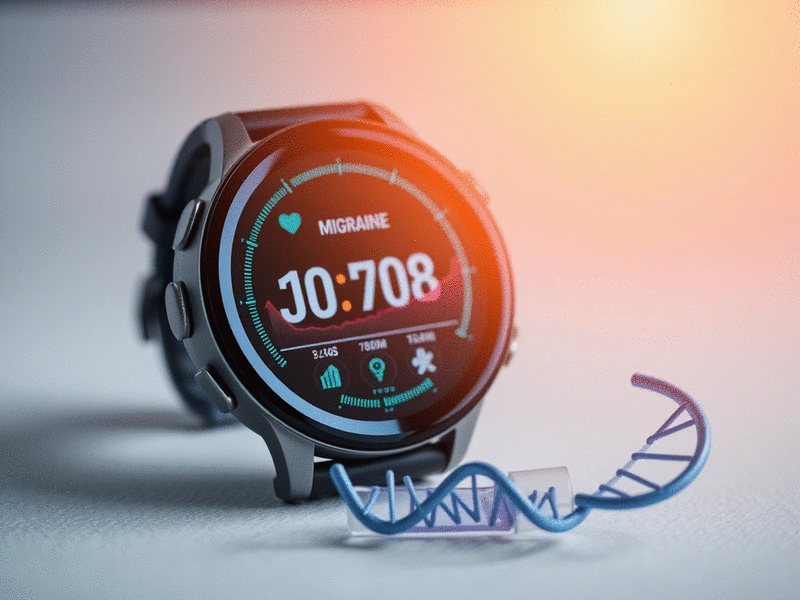
Tailoring Migraine Care with Genetics
![Personalized Migraine Management: Using Genetic Testing and Wearable Technology to Tailor Treatment]()
Have you ever wondered why migraine treatments seem to work differently for everyone? Personalized approaches are revolutionizing migraine management by considering individual genetics and lifestyle factors. Here's what you can learn about transforming your migraine care.
What You Will Learn
- Genetic Testing: Understanding your genetic makeup can help tailor migraine treatments and predict medication efficacy.
- Pharmacogenomics: Custom medication plans based on genetic profiles can minimize trial and error, leading to faster relief.
- Wearable Technology: Devices can monitor physiological data, helping to identify migraine triggers and enhance self-management.
- AI Insights: Artificial intelligence can analyze data to offer personalized recommendations for migraine care, optimizing treatment plans.
- Mobile Health Applications: These apps allow continuous monitoring of symptoms and triggers, aiding in better communication with healthcare providers.
- Telemedicine: Remote patient monitoring ensures consistent communication with healthcare professionals, facilitating timely adjustments to treatment plans.
- Clinical Trials: Participation in trials contributes valuable data that can lead to innovative treatments and improved understanding of migraine responses.
Enhancing Migraine Care: Personalized Approaches & Technology
Understanding how personalized strategies, genetic insights, and technology can revolutionize migraine management.
Genetic Insights for Migraine Treatment
Pharmacogenomics
- ✓ Custom Medication Plans
- ✓ Maximize Efficacy
- ✓ Minimize Trial & Error
Genetic Testing Benefits
- ✓ Identify Genetic Markers
- ✓ Predict Medication Efficacy
- ✓ Avoid Adverse Reactions
Wearable Tech for Monitoring
- • Real-time Data Tracking
- • Trigger Identification
- • Enhanced Communication
AI-Driven Insights & mHealth Apps
- • Data Analysis & Predictive Analytics
- • Personalized Recommendations
- • Continuous Monitoring (Symptom/Trigger Logs)
Transforming Migraine Management Through Personalized Approaches
Managing migraines can be overwhelming, but with a personalized approach, we can drastically improve outcomes! At Migraines Unraveled, we believe in empowering individuals through tailored strategies that consider unique needs and genetics. Let's explore how personalized techniques can revolutionize migraine care.
Understanding the Role of Genetics in Migraine Treatment
Have you ever wondered why certain treatments work for some and not for others? Genetic testing can be a game changer in migraine management. By analyzing your genetic makeup, healthcare providers can tailor treatment plans that predict how you'll respond to various medications.
- Identify genetic markers: These can indicate susceptibility to migraines.
- Predict medication efficacy: Genetic profiles help forecast which drugs will be most effective.
- Avoid adverse reactions: Understanding your genetics can minimize the risk of side effects.
By linking genetics to personalized care, we can create a more effective treatment strategy that speaks to your body’s unique chemistry, ensuring you get the relief you deserve!
![Scientific image showing DNA strands and medication symbols, representing pharmacogenomics and personalized migraine treatment. no text, no words, no typography, no labels, clean image]()
Pharmacogenomics: Tailoring Medication Choices for Migraine Relief
Pharmacogenomics is a fascinating area that merges genetics with medication management. This science helps us select migraine medications based on individual genetic profiles. Imagine being able to choose a treatment plan that aligns perfectly with your body’s needs!
- Custom medication plans: Tailor your medication choices to align with your genetic makeup.
- Maximize efficacy: Increase your chances of finding the right medication faster.
- Minimize trial and error: Reduce the frustration of testing multiple medications.
With pharmacogenomics, you can move from guesswork to informed decision-making, paving the way for more effective migraine relief.
The Impact of Wearable Technology on Migraine Monitoring
In our tech-savvy world, wearable devices are becoming essential tools for migraine management. These gadgets can track physiological data, helping us understand what triggers our migraines.
- Real-time data tracking: Monitor heart rate, sleep patterns, and stress levels.
- Trigger identification: Pinpoint patterns associated with migraine attacks.
- Enhanced communication: Share data with your healthcare provider for better insights.
Wearable technology not only empowers you to take control of your health but also allows for a more proactive approach to migraine management.
Exploring Digital Tools for Enhanced Migraine Care
Types of Wearable Devices: From Smartwatches to EEG Headbands
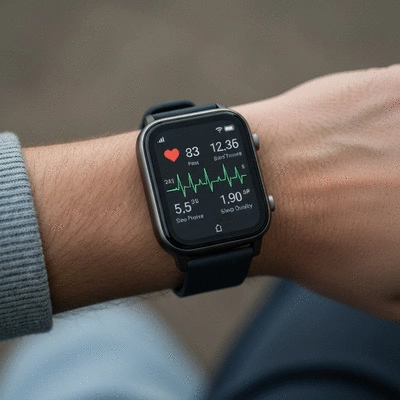
Exploring wearable technology for migraine management opens a world of possibilities. From smartwatches that monitor your daily activity to EEG headbands that track brain activity, these devices can provide crucial insights!
- Smartwatches: Track your daily habits and health metrics.
- EEG headbands: Monitor brain activity to help identify triggers.
- Fitness trackers: Observe patterns related to exercise and sleep.
By integrating these devices into your routine, you can gather valuable information about your migraines, leading to more informed decisions about your health.
![Close-up of a smartwatch displaying health metrics, with a person's wrist in the foreground, representing wearable technology for migraine monitoring. no text, no words, no typography, no labels, clean image]()
AI-Driven Insights: Personalizing Migraine Management
Artificial Intelligence (AI) is changing the landscape of migraine care. Utilizing data from wearables, AI can analyze patterns and generate personalized treatment recommendations tailored to you.
- Data analysis: AI can sift through vast amounts of data to find relevant insights.
- Predictive analytics: Anticipate potential migraine triggers based on historical data.
- Personalized recommendations: Offer treatment options based on your unique data.
AI has the potential to make migraine management smarter and more efficient, enhancing your overall quality of life!
Mobile Health (mHealth) Applications for Continuous Monitoring
The rise of mobile health applications offers migraine sufferers a powerful tool for continuous monitoring. These apps can help you log symptoms, track triggers, and connect with your healthcare provider.
- Symptom diaries: Keep track of your migraines, including frequency and intensity.
- Trigger logs: Document potential triggers to identify patterns.
- Health reports: Generate reports for your healthcare provider to inform treatment discussions.
By harnessing the power of mHealth applications, you become an active participant in your migraine management journey, paving the way for a better understanding of your condition.
Pro Tip
To maximize the benefits of wearable technology in managing your migraines, consider setting daily goals for tracking your symptoms and triggers. This consistent practice can help you identify patterns more effectively and communicate insights with your healthcare provider, leading to more personalized treatment strategies.
Looking Ahead: The Future of Migraine Management
As we look toward the future of personalized migraine care, it's clear that we are on the brink of exciting innovations that can significantly enhance how we manage this condition. With advancements in technology and an increasing understanding of individual needs, the potential for tailored solutions is brighter than ever. At Migraines Unraveled, I'm committed to keeping you informed about these developments that can change your approach to managing migraines!
Encouraging Participation in Trials and Data Collection
One of the most vital steps in advancing migraine research is actively participating in clinical trials. By contributing your data and experiences, you help to build a robust database that can inform better treatment options for everyone. Here’s why engaging in trials is essential:
- Advancement of Research: Your participation drives the research that leads to new and improved migraine treatments.
- Access to Cutting-Edge Therapies: Trials often provide access to medications and devices that are not yet available to the general public.
- Contribution to Community Knowledge: Your experiences can help researchers understand varying responses to treatments across different individuals.
Every bit of data counts! If you're interested in participating, I encourage you to consult with your healthcare provider about available trials that suit your needs.
The Role of Telemedicine in Remote Patient Monitoring
Telemedicine is reshaping how we approach migraine management, providing a convenient platform for ongoing care. It allows for easier communication between patients and providers, ensuring that you receive continuous support, even from the comfort of your home. Here’s how telehealth can enhance your migraine management:
- Convenient Access: Schedule appointments without the hassle of travel—perfect for those tough days when migraines strike!
- Regular Monitoring: Keep in touch with your healthcare team to adjust treatment plans based on real-time feedback.
- Holistic Support: Gain access to a range of specialists who can contribute to your care, from neurologists to nutritionists.
With telemedicine, you can maintain a proactive approach to managing your migraines. Don’t hesitate to explore telehealth options that can fit your lifestyle!
Empowering Patients with Knowledge and Resources
Practical Steps for Implementing Personalized Strategies
Implementing personalized migraine strategies doesn’t have to be overwhelming! Here are some practical steps you can take to incorporate genetic testing and wearable technology into your migraine management plan:
- Start with Genetic Testing: Consult your doctor about genetic testing options that can inform your treatment choices.
- Explore Wearable Devices: Invest in a wearable device that tracks your physiological data, helping you identify triggers and monitor symptoms.
- Keep a Migraine Diary: Document your migraine occurrences, symptoms, and what you were doing at the time to help pinpoint triggers.
By taking these steps, you empower yourself to manage your migraines more effectively. Remember, knowledge is power!
Call to Action: Join the Personalized Migraine Care Movement
I invite you to explore the world of personalized migraine care! Consider getting genetic testing done and try out wearable devices that can aid in managing your symptoms. Share your experiences with others who might be on a similar journey. Together, we can build a supportive community that empowers and uplifts each other while navigating the challenges of migraines. Let’s take control of our health—one informed decision at a time!
Frequently Asked Questions (FAQs)
- Q: How can genetic testing help in migraine management?
- A: Genetic testing can identify specific markers that influence your susceptibility to migraines and predict how effectively you will respond to different medications, helping to tailor your treatment plan.
- Q: What is pharmacogenomics?
- A: Pharmacogenomics is the study of how your genes affect your response to drugs. In migraine management, it helps healthcare providers select medications that are most likely to be effective and have fewer side effects based on your individual genetic profile.
- Q: How do wearable devices contribute to migraine monitoring?
- A: Wearable devices track physiological data such as heart rate, sleep patterns, and stress levels in real-time. This data can help pinpoint potential migraine triggers and provide valuable insights for both patients and healthcare providers.
- Q: What role does AI play in personalizing migraine care?
- A: AI analyzes vast amounts of data from wearables and other sources to identify patterns, predict potential migraine triggers, and generate personalized treatment recommendations, making migraine management smarter and more efficient.
- Q: How can mobile health (mHealth) applications assist migraine sufferers?
- A: mHealth apps allow for continuous monitoring by enabling users to log symptoms, track triggers, and generate health reports. This facilitates better communication with healthcare providers and empowers patients to be active participants in their care.
Recap of Key Points
Here is a quick recap of the important points discussed in the article:
- Genetic testing can identify markers that influence migraine susceptibility and medication efficacy.
- Pharmacogenomics allows for tailored medication plans based on individual genetic profiles, reducing trial and error.
- Wearable technology helps track physiological data to identify triggers and monitor migraines in real time.
- AI-driven insights can analyze data patterns to provide personalized treatment recommendations.
- Mobile health applications facilitate continuous monitoring and logging of symptoms and triggers.
- Participation in clinical trials contributes to advancing migraine research and improves treatment options.
- Telemedicine offers convenient access to healthcare providers for ongoing support and treatment adjustments.
Dr. Lydia Mansfield
Dr. Lydia Mansfield is a dedicated neurologist specializing in headache disorders, passionate about educating migraine sufferers. With expertise in clinical practice and research, she empowers individuals to understand and manage their migraines. Through accessible, science-backed insights, she aims to enhance readers' quality of life.