Natural Migraine Treatments: Evidence Explored

Many people experience debilitating migraines that can overshadow their daily lives. Understanding the myriad of treatments available is crucial for finding relief. The journey toward managing migraines can be empowering, and this article highlights valuable options you may not have considered.
What You Will Learn
- Natural Treatments: Dietary modifications, hydration, regular sleep patterns, and stress management can effectively reduce migraine frequency and severity.
- Herbal Remedies: Herbs like feverfew and butterbur have shown clinical promise for migraine prevention, although individual results may vary.
- Essential Oils: Aromatherapy with oils such as lavender and peppermint can provide soothing relief during migraine episodes.
- Collaborating with Healthcare Providers: Open communication with medical professionals is vital for tailoring a treatment plan that suits your individual needs.
Approaches to Migraine Management: Natural vs. Alternative Treatments
This visual highlights the distinctions and overlaps between natural and alternative treatments for migraine relief, offering a concise overview for those exploring options beyond conventional methods.
Natural Treatments
Focuses on remedies from plants, dietary changes, and lifestyle adjustments to manage symptoms and reduce frequency.
- Dietary modifications
- Hydration
- Regular sleep patterns
- Stress management techniques
Holistic Approach
Alternative Treatments
Complements or alternatives to conventional medicine; often seeks to avoid side effects of pharmaceuticals.
- Herbal remedies (Feverfew, Butterbur)
- Essential oils (Lavender, Peppermint)
- Acupuncture (not explicitly in article but common)
- Vitamins/Nutraceuticals (Riboflavin, Magnesium)
Complementary Care
Understanding Natural and Alternative Treatments for Migraines
Living with migraines can sometimes feel like navigating a maze without a map. Luckily, there are natural and alternative treatments that can help ease your symptoms and improve your quality of life. At Migraines Unraveled, we believe in empowering you with knowledge about all available options. Let’s explore what these treatments are and how they might work for you!
What Are Natural Treatments for Migraines?
Natural treatments for migraines include remedies derived from plants, dietary adjustments, and lifestyle changes. These methods aim to manage symptoms and reduce attack frequency without relying solely on pharmaceuticals. Here are some popular natural treatments:
- Dietary modifications: Identifying and avoiding trigger foods.
- Hydration: Drinking plenty of water to prevent dehydration-related headaches.
- Regular sleep patterns: Establishing a consistent sleep schedule to improve sleep quality.
- Stress management techniques: Activities such as yoga, meditation, and deep breathing exercises.

By incorporating these natural treatments into your routine, you might find a sense of relief that allows you to regain control over your migraines. It's important to remember that everyone's experience is unique, and what works for one person may not work for another.
Why Consider Alternative Treatments for Migraines?
Many individuals seek alternative treatments as a complement or alternative to conventional medications. The reasons can vary widely, including:
- A desire to avoid potential side effects of prescription medications.
- Frustration with the limited effectiveness of traditional treatments.
- A goal to treat migraines holistically, considering the whole person, not just the symptoms.
As someone who has dedicated years to understanding migraine disorders, I can assure you that exploring these alternative options can be a crucial step in your journey. Embracing a more holistic approach can empower you and provide new pathways to managing your migraines effectively.
Exploring Herbal Remedies for Migraine Relief: Efficacy and Safety
Herbal remedies have gained popularity for their potential benefits in migraine management. Some common herbs include:
- Feverfew: This herb has been traditionally used to prevent migraines. Some studies suggest it may reduce the frequency and severity of attacks.
- Butterbur: Known for its anti-inflammatory properties, butterbur has shown promise in reducing migraine frequency.
- Ginger: Often used for nausea, ginger may also help alleviate headache pain.
While these remedies can be beneficial, it's crucial to approach them with caution. Always consult with a healthcare provider before starting any herbal treatment, as they can interact with medications or have side effects.
The Role of Essential Oils in Migraine Management
Essential oils, derived from plants, can offer relief for migraine sufferers through aromatherapy or topical application. Some popular essential oils include:
- Lavender oil: Known for its calming properties, it may help reduce headache severity.
- Peppermint oil: Often used for its cooling effect, it can ease tension headaches when applied to the temples.
- Eucalyptus oil: This oil can help open airways and alleviate sinus headaches.
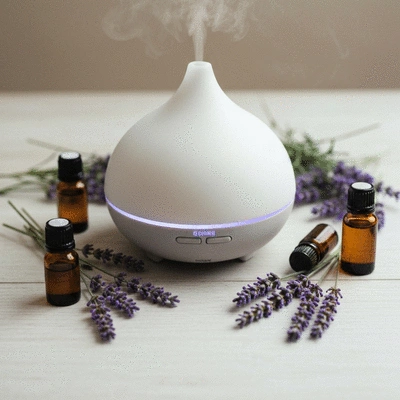
Integrating essential oils into your migraine management strategy can be as simple as using a diffuser or applying diluted oil to your skin. Just remember, self-care is essential, and finding what works for you is key!
Pro Tip
Consider keeping a migraine diary to track your symptoms, triggers, and the effectiveness of treatments. This can provide valuable insights for you and your healthcare provider, helping to tailor a more effective management plan.
Summarizing the Effectiveness of Natural and Alternative Treatments
As we explore natural and alternative treatments for migraines, it’s essential to highlight their potential effectiveness based on the latest evidence. Many individuals have found relief through various methods, empowering them to take charge of their health. Here, I’ll share some key findings that shed light on these options!
In summary, the effectiveness of these treatments can often depend on the individual. Some may experience significant relief, while others find certain methods less effective. Regardless, understanding what works for you is crucial in managing your migraines.
Key Takeaways on Evidence-Based Treatments for Migraines
- Natural Treatments: Many natural remedies can offer significant relief, particularly when incorporated into a comprehensive plan.
- Herbal Remedies: Certain herbs like feverfew and butterbur have shown promise in clinical studies, though individual responses may vary.
- Essential Oils: Oils such as lavender and peppermint may provide soothing effects during migraine episodes.
- Vitamins and Nutraceuticals: Vitamins like riboflavin and magnesium have evidence supporting their role in migraine prevention.
Implementing these evidence-based treatments can be an empowering step toward better migraine management. Knowledge is power, and understanding how these options work allows you to make informed decisions that align with your needs.
Engaging with Your Health Care Provider
Having a conversation with your healthcare provider about natural and alternative treatments is vital. They can offer guidance tailored to your specific health needs and help you navigate the sometimes complex world of migraine management. So, how can you prepare for this important conversation?
Discussing Alternative Options: Preparing for Your Appointment
- List Your Symptoms: Keep a detailed record of your migraine episodes and any previous treatments you've tried.
- Research Treatments: Familiarize yourself with natural and alternative options you’re interested in discussing. For instance, the American Migraine Foundation offers resources on common alternative treatments for migraines.
- Prepare Questions: Write down any questions you have about specific treatments or potential interactions with current medications.
- Be Open: Share your experiences openly, and express your willingness to explore various treatment avenues.
Being proactive during your appointments will empower you and your provider to create the best possible plan for your migraine management journey.
Continuing the Conversation: How to Evaluate Treatment Success
Once you start a new treatment, it’s crucial to keep the lines of communication open with your healthcare provider. Together, you can assess the effectiveness of the strategies you've implemented. But how do you evaluate success?
- Track Changes: Monitor any changes in your migraine frequency, duration, and intensity.
- Report Back: Share your observations at follow-up appointments, noting any patterns or fluctuations.
- Adjust as Needed: Be open to tweaking your treatment plan based on how your body responds.
Maintaining an ongoing dialogue ensures that your treatment remains effective and tailored to your evolving needs. Remember, you are your best advocate!
Resources for Further Learning and Support
As you navigate this journey, having access to reliable resources can be incredibly beneficial. At Migraines Unraveled, we strive to provide you with valuable information to support your migraine management. Here are some excellent resources to consider!
Access to Evidence-Based Guides and Research Articles
- Scientific Journals: Explore reputable journals that publish migraine research and treatment studies. For example, research on novel non-pharmacological interventions often appears in neurology journals.
- Guides and Handouts: Utilize educational materials that summarize natural and alternative treatment options.
- Webinars and Workshops: Participate in educational events focusing on migraines and their management.
These resources will empower you to stay informed and engaged in your treatment journey. Knowledge truly leads to empowerment!
Community Support: Connecting with Others Managing Migraines
Connecting with others who share similar experiences can provide comfort and inspiration. Consider joining support groups, both online and in-person, where you can share stories and coping strategies.
- Online Forums: Participate in discussions on platforms dedicated to migraine sufferers.
- Local Support Groups: Seek out community organizations that host regular meet-ups.
- Social Media Groups: Join dedicated migraine management groups on platforms like Facebook.
Sharing your journey with others can make a significant difference in how you cope with migraines.
Exploring Additional Resources: Dietary Changes and Holistic Approaches
Finally, consider exploring dietary changes and holistic approaches that may complement your treatment plan. Our website offers a wealth of information on these topics, helping you make informed decisions!
- Dietary Guides: Learn about foods that may trigger migraines and those that can provide relief.
- Holistic Practices: Discover techniques like yoga and mindfulness that can aid in stress reduction.
- Personal Stories: Read testimonials from others who have successfully integrated these strategies into their lives.
Remember, every step you take towards understanding and managing your migraines is a step towards better health. Together, we can unravel the complexities of migraines!
Frequently Asked Questions About Migraine Management
- What is the difference between natural and alternative treatments for migraines?
- Natural treatments primarily involve remedies from plants, dietary changes, and lifestyle adjustments to manage symptoms and reduce frequency. Alternative treatments are complementary or alternatives to conventional medicine, such as herbal remedies, essential oils, and certain vitamins, often seeking to avoid side effects of pharmaceuticals.
- Are herbal remedies like Feverfew and Butterbur safe to use for migraines?
- While herbs like Feverfew and Butterbur have shown promise in reducing migraine frequency and severity, it is crucial to consult with a healthcare provider before starting any herbal treatment. They can interact with medications or have side effects, and individual results may vary.
- How can essential oils help with migraine relief?
- Essential oils such as lavender (for calming) and peppermint (for cooling effects) can provide soothing relief during migraine episodes through aromatherapy or topical application. Eucalyptus oil can also help with sinus headaches. Always dilute essential oils before applying them to the skin.
- Why is it important to talk to my healthcare provider about alternative migraine treatments?
- Open communication with your healthcare provider is vital. They can offer guidance tailored to your specific health needs, help you navigate complex treatment options, and ensure that any natural or alternative treatments do not interact negatively with current medications or underlying health conditions.
- What are some effective ways to track migraine symptoms and treatment effectiveness?
- Keeping a migraine diary is highly recommended. Track your symptoms, potential triggers, the frequency, duration, and intensity of your migraines, and the effectiveness of any treatments you try. This detailed record can provide valuable insights for you and your healthcare provider to tailor a more effective management plan.
- Natural treatments can include dietary modifications, hydration, regular sleep patterns, and stress management techniques.
- Alternative treatments may help individuals avoid side effects from medications and provide a holistic approach to migraine management.
- Herbal remedies like feverfew and butterbur have shown promise, though individual responses vary.
- Essential oils such as lavender and peppermint can offer soothing effects during migraine episodes.
- Engaging with healthcare providers and discussing treatment options is crucial for effective migraine management.
Recap of Key Points
Here is a quick recap of the important points discussed in the article:

Dr. Lydia Mansfield
Dr. Lydia Mansfield is a dedicated neurologist specializing in headache disorders, passionate about educating migraine sufferers. With expertise in clinical practice and research, she empowers individuals to understand and manage their migraines. Through accessible, science-backed insights, she aims to enhance readers' quality of life.
Popular Posts
Managing Migraine Triggers Effectively
![Migraine Trigger Management: A Comprehensive Guide]() When it comes to managing migraines, understanding your unique triggers can be a game-changer. This
When it comes to managing migraines, understanding your unique triggers can be a game-changer. This
 When it comes to managing migraines, understanding your unique triggers can be a game-changer. This
Migraine Treatment: Patient Experiences Shared
![Migraine Treatment Success Stories: Real Patients, Real Results]() Many people struggle with chronic migraines, leading to frustration and impacting their quality of l
Many people struggle with chronic migraines, leading to frustration and impacting their quality of l
 Many people struggle with chronic migraines, leading to frustration and impacting their quality of l
Track Your Migraines with Apps
![Using Mobile Apps and Digital Tools to Track Migraine Patterns and Enhance Self-Management]() Have you ever thought about how tracking your migraine patterns could significantly enhance your qua
Have you ever thought about how tracking your migraine patterns could significantly enhance your qua
 Have you ever thought about how tracking your migraine patterns could significantly enhance your qua
Collaborative Migraine Treatment Plans
![Personalized Migraine Treatment Plans: Working With Your Doctor]() Have you ever felt like your migraines are as unique as your fingerprint? Understanding personalized
Have you ever felt like your migraines are as unique as your fingerprint? Understanding personalized
 Have you ever felt like your migraines are as unique as your fingerprint? Understanding personalized
