Barometric Pressure and Migraines Explained
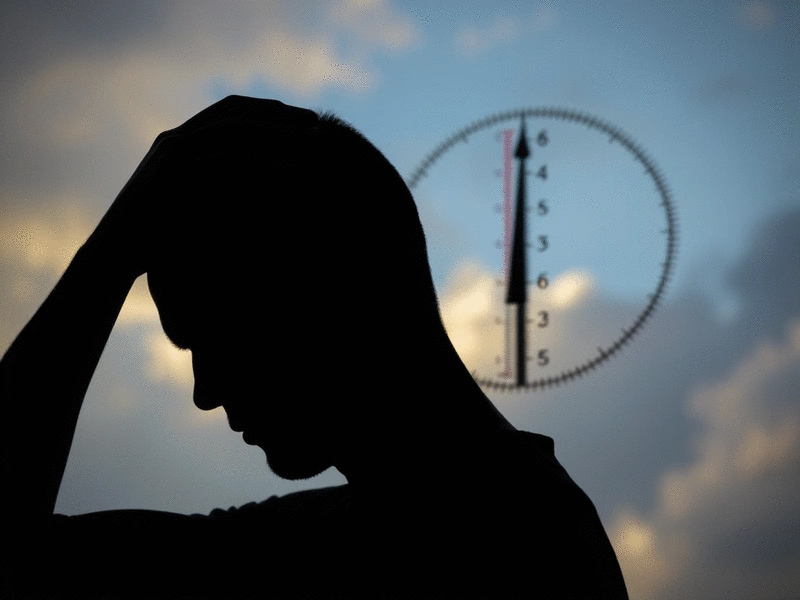
Have you ever felt the tension in the air as a storm approaches, wondering if your migraines will follow suit? You’re not alone. Understanding the intricate relationship between barometric pressure and migraines can be your first step toward effective management and relief.
What You Will Learn
- Barometric pressure fluctuations can trigger migraines, with low pressure often leading to increased episodes.
- Rapid weather changes, such as storms or high humidity, are common migraine triggers.
- Understanding physiological responses, like blood vessel expansion during low pressure, can help in anticipating migraine onset.
- Individual sensitivities to weather changes vary, influenced by genetics, overall health, and migraine types.
- Debunking myths about weather-related migraines can empower sufferers to take proactive steps in their management strategies.
- Engaging with community resources and support groups fosters a sense of belonging and shared understanding among migraine sufferers.
How Barometric Pressure Influences Migraines
Weather changes, particularly fluctuations in barometric pressure, can significantly impact migraine sufferers. Understanding the connection between atmospheric pressure and physiological responses is key to managing these triggers.
Barometric Pressure Changes & Migraine Risk
↓
**Low Pressure:** Often linked to stormy weather, increasing migraine likelihood.
↑
**High Pressure:** Tends to bring calmer weather, potentially reducing attacks.
Rapid fluctuations are particularly challenging for sufferers.
How Low Pressure Triggers Migraines
1
**Pressure Drop:** Expansion of blood vessels.
2
**Increased Head Pressure:** Due to vessel expansion.
3
**Migraine Onset:** Triggered by physiological changes.
Understanding the Link Between Barometric Pressure and Migraines
Have you ever noticed that your migraines seem to flare up when the weather changes? You’re not alone! Many migraine sufferers, including myself, have experienced the impact of barometric pressure on their condition. Understanding this link can be empowering and help you manage your migraines more effectively.
Barometric pressure refers to the weight of the atmosphere pushing down on the Earth's surface. When it changes—often before a storm or a cold front—it can affect our bodies in various ways. Let’s explore how this fascinating phenomenon can influence your health.
What Is Barometric Pressure and How Does It Influence Health?
Barometric pressure is measured in units called millibars, and it changes with weather systems. Typically, high pressure brings clear skies, while low pressure is associated with storms. For those of us with migraines, fluctuations in pressure can trigger painful episodes. Understanding how barometric pressure works can help you anticipate potential migraine triggers. A systematic review of the literature on the impact of barometric pressure changes on migraine attacks provides further insights into this connection, as detailed in an article published in Cureus.
- Low pressure is often linked to stormy weather, which can lead to increased migraines.
- High pressure tends to bring calmer weather, which may reduce the likelihood of attacks.
- Rapid changes in pressure can be particularly challenging for migraine sufferers.
Being aware of these changes can provide you with valuable insights into your migraines. Monitoring weather patterns may help you identify trends and make proactive adjustments in your routine.

Exploring the Connection: Can Weather Changes Trigger Migraines?
Research shows that weather changes—including barometric pressure shifts—can indeed trigger migraines for many individuals. Think of it as your body's way of responding to environmental stressors. In my practice, I've seen countless patients report headaches coinciding with sudden weather changes. It’s as if nature's mood can shape our own! Evidence suggests a link between weather conditions and headaches, including migraines, as highlighted in a study published in PubMed.
- Some common weather-related triggers include:
- Rapid temperature changes
- High humidity levels
- Thunderstorms and lightning
By recognizing these connections, you can better prepare for days when the weather might play a role in your migraines. Perhaps keeping a migraine diary that tracks weather changes alongside your symptoms could be a helpful tool!
The Role of Barometric Pressure Changes in Migraine Onset
When barometric pressure drops, it can lead to a variety of physiological changes in our bodies. For instance, the expansion of blood vessels can increase pressure in the head, triggering a migraine. This phenomenon is something I often discuss with my patients at Migraines Unraveled. It's vital to understand how these changes can manifest and impact our daily lives. The relationship between barometric pressure and migraine attacks is extensively reviewed in the Headache® journal, offering deeper insights into this complex interaction.
- Potential impacts of barometric pressure changes include:
- Increased sensitivity to pain
- Heightened stress response
- Changes in sleep patterns due to discomfort
Recognizing these factors as part of your migraine experience can empower you to take proactive steps. It’s all about understanding your body and giving it the care it deserves!
Interactive Poll: Your Experience Matters!
Have you ever noticed a connection between your migraines and changes in the weather? We want to hear from you! Share your thoughts below:
Empowering Yourself Against Weather-Related Migraines
Understanding how weather changes impact your migraines is an essential step toward empowerment. Many individuals often question if their migraines are truly connected to the weather. It’s easy to fall prey to misconceptions, but let’s clear the air! A little knowledge can go a long way in managing your condition.
For instance, some believe that only extreme weather can trigger migraines. In reality, even slight shifts in barometric pressure can affect sensitive individuals. By debunking these myths, we can pave the way for better migraine management strategies.

Addressing Common Misconceptions About Weather and Migraines
First, it’s crucial to recognize a few common myths surrounding weather-related migraines:
- Myth 1: Only storms or dramatic weather changes matter.
- Myth 2: Migraines triggered by weather changes are not real headaches.
- Myth 3: You can’t do anything to prevent weather-related migraines.
By acknowledging these myths, we can better understand the true nature of weather triggers. Remember, your experiences are valid! Empowering yourself with accurate information can help you take meaningful steps in your migraine management.
Why Individual Sensitivity to Weather Changes Varies
Have you ever wondered why one person can enjoy a rainy day while another is laid up with a migraine? Individual sensitivity to weather changes can vary widely due to several factors:
- Genetics: Your family history might play a role in how you respond to environmental shifts.
- Overall Health: Other health conditions may heighten your sensitivity.
- Migraine Type: Different types of migraines can react differently to weather changes.
Understanding these factors can help you tailor your responses and strategies to fit your unique situation. It’s all about finding what works best for you!
The Importance of Patient Education and Community Resources
At Migraines Unraveled, we believe in the power of education! Being informed is key to navigating your migraine journey. Community resources can also be beneficial. Here are a few ways to engage with your community:
- Join local support groups or online forums to connect with others.
- Attend workshops or seminars focused on migraine management.
- Use reliable online resources—like our platform—to stay informed about the latest research.
These avenues not only provide support but also foster a sense of community among migraine sufferers. Remember, you’re not alone in this journey!
Frequently Asked Questions (FAQs)
- Q: Can barometric pressure truly trigger migraines?
- A: Yes, many individuals experience migraines triggered by fluctuations in barometric pressure, particularly drops associated with stormy weather. Research supports this connection, indicating that changes in atmospheric pressure can lead to physiological responses that initiate a migraine.
- Q: What specific weather changes are most likely to trigger migraines?
- A: Rapid changes in weather conditions, such as sudden drops in barometric pressure, high humidity levels, and significant temperature shifts, are commonly cited as migraine triggers. Thunderstorms and lightning can also be factors for some individuals.
- Q: How does low barometric pressure physically affect the body to cause a migraine?
- A: When barometric pressure drops, it can cause blood vessels in the head to expand. This expansion can increase pressure within the skull, leading to the onset of a migraine attack. This physiological response is a key mechanism linking weather changes to migraines.
- Q: Why do some people experience weather-related migraines while others don't?
- A: Individual sensitivity to weather changes varies due to several factors, including genetics, overall health conditions, and the specific type of migraine a person experiences. These factors influence how an individual's body responds to environmental shifts.
- Q: What can I do to manage weather-related migraines?
- A: Managing weather-related migraines involves understanding your personal triggers, tracking weather patterns in a migraine diary, and adopting proactive strategies. This can include staying informed through patient education, connecting with community resources, and discussing potential treatments or preventive measures with your healthcare provider.
Recap of Key Points
Here is a quick recap of the important points discussed in the article:
- Barometric pressure changes can significantly trigger migraines, especially drops associated with storms.
- Rapid weather changes, high humidity, and temperature shifts are common migraine triggers.
- Understanding personal sensitivity to weather changes, including genetic and health factors, is essential for effective management.
- Myths surrounding weather-related migraines can lead to misconceptions; awareness and education are key.
- Engaging with community resources and support can empower individuals in their migraine management journey.

Dr. Lydia Mansfield
Dr. Lydia Mansfield is a dedicated neurologist specializing in headache disorders, passionate about educating migraine sufferers. With expertise in clinical practice and research, she empowers individuals to understand and manage their migraines. Through accessible, science-backed insights, she aims to enhance readers' quality of life.
Popular Posts
Managing Migraine Triggers Effectively
![Migraine Trigger Management: A Comprehensive Guide]() When it comes to managing migraines, understanding your unique triggers can be a game-changer. This
When it comes to managing migraines, understanding your unique triggers can be a game-changer. This
 When it comes to managing migraines, understanding your unique triggers can be a game-changer. This
Migraine Treatment: Patient Experiences Shared
![Migraine Treatment Success Stories: Real Patients, Real Results]() Many people struggle with chronic migraines, leading to frustration and impacting their quality of l
Many people struggle with chronic migraines, leading to frustration and impacting their quality of l
 Many people struggle with chronic migraines, leading to frustration and impacting their quality of l
Track Your Migraines with Apps
![Using Mobile Apps and Digital Tools to Track Migraine Patterns and Enhance Self-Management]() Have you ever thought about how tracking your migraine patterns could significantly enhance your qua
Have you ever thought about how tracking your migraine patterns could significantly enhance your qua
 Have you ever thought about how tracking your migraine patterns could significantly enhance your qua
Collaborative Migraine Treatment Plans
![Personalized Migraine Treatment Plans: Working With Your Doctor]() Have you ever felt like your migraines are as unique as your fingerprint? Understanding personalized
Have you ever felt like your migraines are as unique as your fingerprint? Understanding personalized
 Have you ever felt like your migraines are as unique as your fingerprint? Understanding personalized
