Understanding Migraine Sensory Triggers
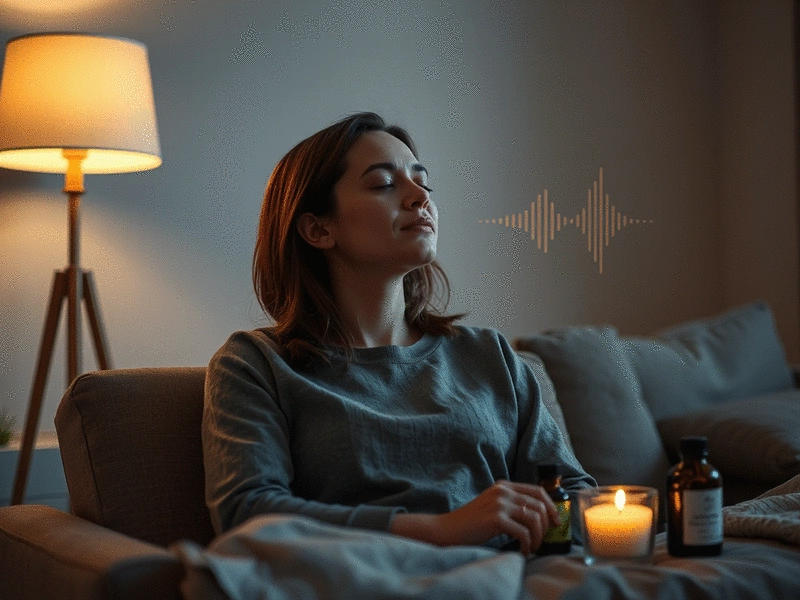
Have you ever found yourself wondering why certain lights or sounds seem to trigger your migraines? The connection between sensory inputs and migraine episodes is not just a coincidence; understanding this relationship can empower you to manage your symptoms more effectively.
What You Will Learn
- Understanding Sensory Triggers: Light, sound, and smell are common triggers for migraines, affecting individuals differently.
- Identifying Sensitivities: Photophobia (light sensitivity), phonophobia (sound sensitivity), and osmophobia (smell sensitivity) can significantly impact daily life.
- Neurological Mechanisms: Excessive sensory information can overwhelm the brain, potentially leading to migraine episodes through processes like multisensory integration.
- Prevalence Statistics: Around 80% of migraine sufferers report light sensitivity, 60% experience sound sensitivity, and 50% are sensitive to smells.
- Proactive Management: Recognizing specific triggers and making behavioral adjustments can help mitigate migraine episodes.
Migraine Sensory Triggers: Prevalence and Impact
The visual below illustrates the prevalence of different sensory triggers among migraine sufferers, highlighting the significant role light, sound, and smell play in daily life.
Light Sensitivity (Photophobia)
80%
Of migraine sufferers report experiencing sensitivity to light.
Sound Sensitivity (Phonophobia)
60%
Report sensitivity to sound, where loud noises exacerbate pain.
Smell Sensitivity (Osmophobia)
50%
Report sensitivity to strong odors, triggering migraine episodes.
Sensory Triggers for Migraines: Understanding the Role of Light, Sound, and Smell
Have you ever found yourself in a bright room, wishing you could dim the lights because of that nagging headache? If so, you’re not alone. Sensory triggers like light, sound, and smell play a significant role in the lives of many migraine sufferers. Understanding these triggers is crucial for effective management, as it can empower you to take control of your migraine episodes.
At Migraines Unraveled, we often hear from individuals who feel overwhelmed by their sensitivity to sensory stimuli. It’s important to recognize that these triggers can vary greatly from person to person, and what may trigger one person’s migraine might not affect another at all. Let’s explore the basics together!
The Basics of Sensory Triggers and Migraines
When we talk about sensory triggers in relation to migraines, we're diving into a complex world that intertwines our neurological and sensory systems. Sensory inputs, like light, sounds, and smells, can elicit strong reactions in our bodies, especially if you're predisposed to migraines. It’s like a domino effect: one small trigger can set off a cascade of symptoms.
- Light: Bright or flickering lights can provoke migraines in many individuals, often leading to discomfort or pain.
- Sound: Loud or sudden noises can also be a significant trigger, causing distress and amplifying migraine symptoms.
- Smell: Strong odors, whether pleasant or noxious, can lead to sensory overload, resulting in a migraine episode.
The more we understand these types of triggers, the better equipped we become to manage our health. I encourage you to pay attention to your environment. Are there certain lights, sounds, or smells that seem to coincide with your migraines? This awareness is the first step in managing your condition.
Defining Sensory Sensitivities: Photophobia, Phonophobia, and Osmophobia
Let’s break down some terms that you might find helpful. First up is photophobia, which refers to a heightened sensitivity to light. This means that even a moderate amount of light can cause discomfort or pain, making it difficult to be in bright environments. For more detailed information on migraine, you can visit the CDC's migraine overview.

Next, there’s phonophobia, the fear or aversion to sound. For many migraine sufferers, loud noises can absolutely exacerbate their condition, leading to a significant increase in pain. It’s like the world becomes too loud, turning an ordinary day into a struggle. The American Academy of Neurology provides guidelines that address various aspects of migraine management, including these sensitivities.
Finally, we have osmophobia, which describes the sensitivity to smells. Certain odors, particularly strong or pungent ones, can trigger migraines, even if they wouldn’t bother someone else. Being mindful of these sensitivities can help you identify and avoid potential triggers! Research, such as that published by NCBI, often explores the neurological underpinnings of these sensory phenomena.
How Light, Sound, and Smell Trigger Migraines
The Mechanisms Behind Sensory Triggers
The neurological and physiological processes that govern how sensory inputs can provoke migraines are fascinating yet complex. When our brain receives excessive sensory information, it can become overwhelmed, triggering a migraine episode. This process is sometimes referred to as multisensory integration, where different sensory signals interact and, in some cases, amplify each other’s effects.
Additionally, the phenomenon known as cortical spreading depression plays a critical role. This is a wave of electrical activity that spreads across the brain's cortex, often leading to the symptoms we associate with migraines. Understanding these mechanisms helps demystify the experience and can lead to better management strategies.
Prevalence and Impact of Sensory Triggers on Migraine Sufferers
Research indicates that sensory triggers are incredibly common among those affected by migraines. Approximately 80% of migraine sufferers report light sensitivity, while around 60% experience sound sensitivity. These statistics highlight just how significant sensory triggers are in our daily lives.
- 80% of migraine sufferers report experiencing sensitivity to light (photophobia).
- 60% report sensitivity to sound (phonophobia).
- 50% report sensitivity to smell (osmophobia).
Understanding these numbers can empower you. By recognizing that you're not alone in this experience, you can begin to explore strategies specifically designed to help you navigate your unique set of triggers.
Frequently Asked Questions About Sensory Triggers and Migraines
The most common sensory triggers for migraines are light (photophobia), sound (phonophobia), and smell (osmophobia). Approximately 80% of migraine sufferers report light sensitivity, 60% report sound sensitivity, and 50% report smell sensitivity.
When the brain receives excessive sensory information, it can become overwhelmed, leading to a migraine. This involves neurological processes like multisensory integration, where different sensory signals amplify each other, and cortical spreading depression, a wave of electrical activity across the brain's cortex.
Photophobia is a heightened sensitivity to light, where even moderate light causes discomfort. Phonophobia is an aversion to sound, where loud noises exacerbate migraine pain. Osmophobia is a sensitivity to smells, particularly strong or pungent odors, which can trigger migraines.
Yes, sensory triggers can vary greatly from person to person. What might trigger a migraine in one individual may not affect another at all. Identifying your specific triggers through tracking and observation is key to effective management.
Managing sensory triggers involves identifying specific triggers, implementing behavioral changes (like adjusting your environment), and utilizing products or natural remedies to mitigate sensory overload. Tracking your triggers and symptoms can significantly help in understanding and managing your migraines.
We Want to Hear From You!
Have you noticed any specific light, sound, or smell that triggers your migraines? Share your experiences below:
Summarizing Sensory Triggers and Their Management
As we wrap up our discussion on sensory triggers for migraines, it's essential to recognize that these factors can significantly impact our daily lives. Understanding the role of light, sound, and smell in triggering migraine episodes empowers us to take proactive steps in managing our condition. By becoming aware of our sensitivities—like photophobia (light sensitivity), phonophobia (sound sensitivity), and osmophobia (smell sensitivity)—we can better navigate our environments.
In this exploration, we’ve delved into the mechanisms behind these sensory triggers, including how they interact neurologically to provoke migraines. We've also discussed effective coping strategies that can make a world of difference in alleviating discomfort. Here’s a quick recap of the key points:
- Identifying specific triggers: Recognizing which types of light, sound, and smell provoke your migraines is vital.
- Implementing behavioral changes: Simple adjustments in your environment can help reduce exposure to these triggers.
- Utilizing products and natural remedies: Various tools and therapies can provide relief by mitigating sensory overload.
Taking Action Against Sensory Triggers
Now that we've explored these critical insights, it's time to take action! Implementing the coping strategies discussed will help you regain control over your migraine triggers. Remember, it’s all about personal agency. You have the power to make informed choices that can significantly enhance your quality of life.

To assist you on this journey, I encourage you to start tracking your sensory triggers and symptoms. This can be a game-changer in understanding your migraines better. I’ve created a handy trigger-tracking template that you can download and use. It’s designed to simplify your tracking process, helping you identify patterns and take proactive steps for relief.
By taking charge of your migraine management, you're not only enhancing your day-to-day experience but also contributing to a positive community of migraine sufferers. Let's work together to unravel the mysteries of migraines!
Recap of Key Points
Here is a quick recap of the important points discussed in the article:
- Identifying specific triggers: Recognizing which types of light, sound, and smell provoke your migraines is vital.
- Implementing behavioral changes: Simple adjustments in your environment can help reduce exposure to these triggers.
- Utilizing products and natural remedies: Various tools and therapies can provide relief by mitigating sensory overload.

Dr. Lydia Mansfield
Dr. Lydia Mansfield is a dedicated neurologist specializing in headache disorders, passionate about educating migraine sufferers. With expertise in clinical practice and research, she empowers individuals to understand and manage their migraines. Through accessible, science-backed insights, she aims to enhance readers' quality of life.
Popular Posts
Managing Migraine Triggers Effectively
![Migraine Trigger Management: A Comprehensive Guide]() When it comes to managing migraines, understanding your unique triggers can be a game-changer. This
When it comes to managing migraines, understanding your unique triggers can be a game-changer. This
 When it comes to managing migraines, understanding your unique triggers can be a game-changer. This
Migraine Treatment: Patient Experiences Shared
![Migraine Treatment Success Stories: Real Patients, Real Results]() Many people struggle with chronic migraines, leading to frustration and impacting their quality of l
Many people struggle with chronic migraines, leading to frustration and impacting their quality of l
 Many people struggle with chronic migraines, leading to frustration and impacting their quality of l
Track Your Migraines with Apps
![Using Mobile Apps and Digital Tools to Track Migraine Patterns and Enhance Self-Management]() Have you ever thought about how tracking your migraine patterns could significantly enhance your qua
Have you ever thought about how tracking your migraine patterns could significantly enhance your qua
 Have you ever thought about how tracking your migraine patterns could significantly enhance your qua
Collaborative Migraine Treatment Plans
![Personalized Migraine Treatment Plans: Working With Your Doctor]() Have you ever felt like your migraines are as unique as your fingerprint? Understanding personalized
Have you ever felt like your migraines are as unique as your fingerprint? Understanding personalized
 Have you ever felt like your migraines are as unique as your fingerprint? Understanding personalized
